

The Ultimate Guide to Choosing a Digital Meat Thermometer
Release Time:
Aug 06,2023
Discover the essential factors to consider when selecting the perfect digital meat thermometer for your culinary needs. This comprehensive guide will provide you with all the necessary information to

Table of Contents:
1. Introduction: Why You Need a Digital Meat Thermometer
2. Types of Digital Meat Thermometers
3. Key Features to Look for in a Digital Meat Thermometer
4. Temperature Range and Accuracy: The Crucial Factors
5. Probe Length and Material: Finding the Right Fit
6. Display and Readability: Clear and Convenient
7. Speed and Response Time: Instant Results
8. Connectivity and Smart Features: Enhance Your Cooking Experience
9. Durability and Build Quality: Long-lasting Performance
10. Price Range and Budget Considerations
11. FAQs about Digital Meat Thermometers
12. Conclusion
1. Introduction: Why You Need a Digital Meat Thermometer
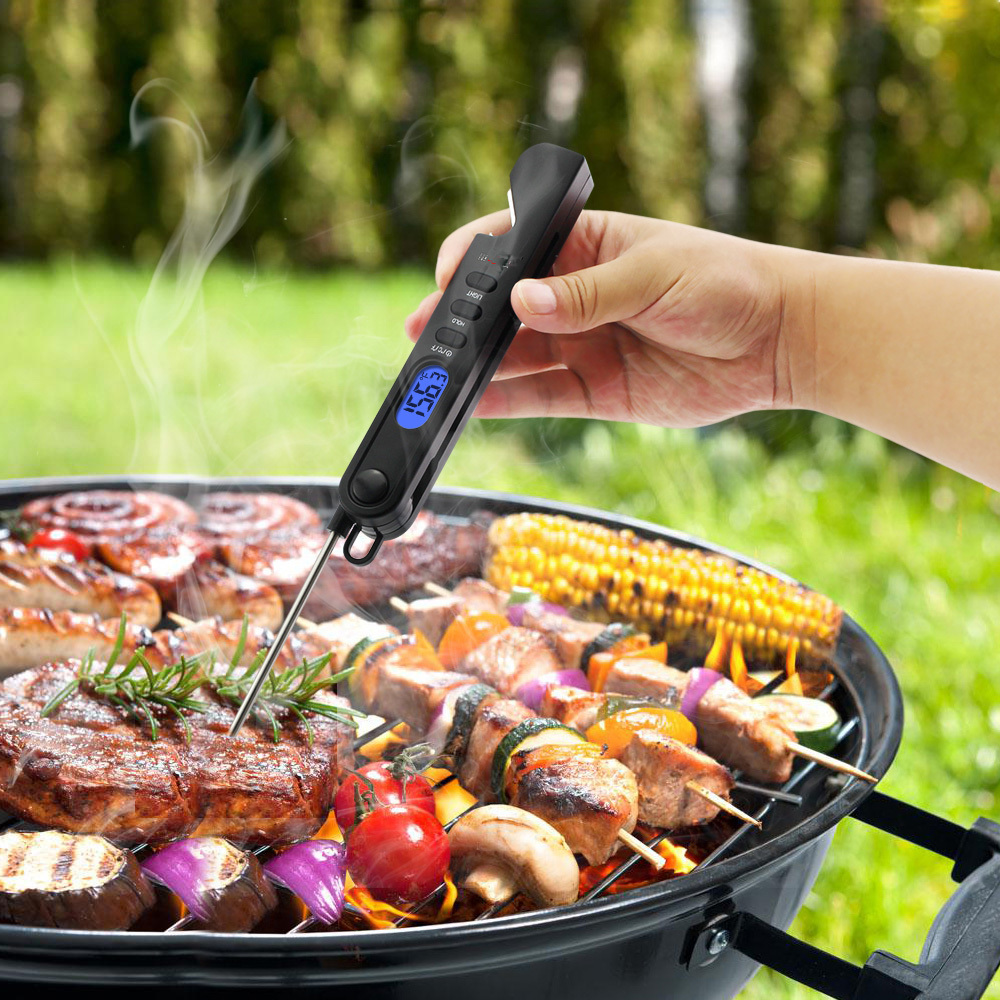
When it comes to cooking meat, precision is key. A digital meat thermometer is an essential tool that helps you monitor the internal temperature of your meat accurately. Whether you're grilling, roasting, or smoking, a digital meat thermometer ensures your meat is perfectly cooked to your desired level of doneness.
2. Types of Digital Meat Thermometers
There are various types of digital meat thermometers available on the market. Instant-read thermometers provide quick and accurate readings within seconds, making them ideal for checking the temperature of thin cuts of meat. Leave-in thermometers, on the other hand, are designed to be inserted into the meat and remain throughout the cooking process.
3. Key Features to Look for in a Digital Meat Thermometer
When choosing a digital meat thermometer, consider the following key features:
- Temperature range and accuracy
- Probe length and material
- Display and readability
- Speed and response time
- Connectivity and smart features
- Durability and build quality
4. Temperature Range and Accuracy: The Crucial Factors
Ensure that the digital meat thermometer you choose has a wide temperature range suitable for different types of meat. Accuracy is equally important, as even a slight variation in temperature can affect the doneness of your meat.
5. Probe Length and Material: Finding the Right Fit
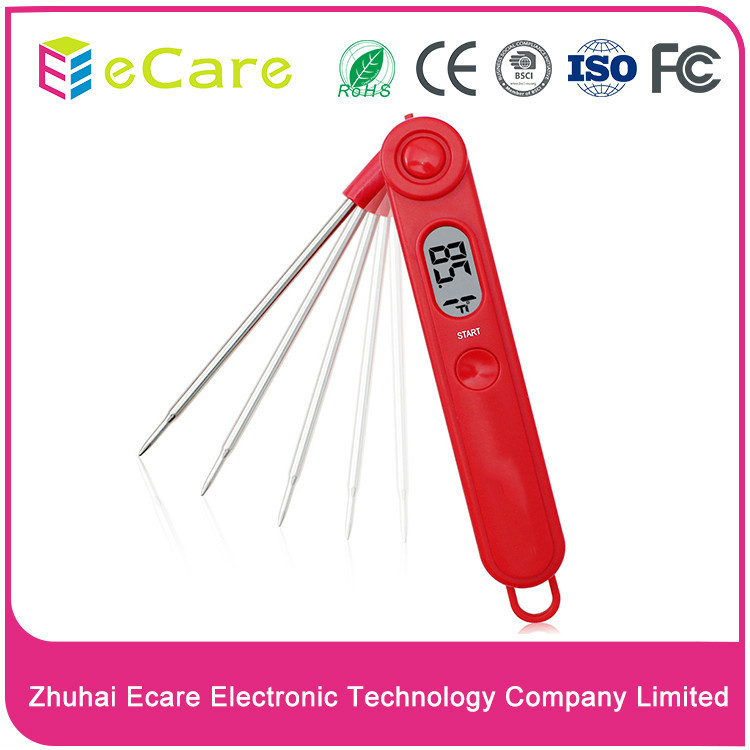
Proper probe length is essential to ensure accurate readings, especially for thicker cuts of meat. Look for a digital meat thermometer with a probe long enough to reach the center of your meat. Additionally, consider the material of the probe. Stainless steel probes are durable and easy to clean.
6. Display and Readability: Clear and Convenient
A clear and easy-to-read display is crucial for quick and accurate temperature readings. Look for a digital meat thermometer with a large, backlit display that allows you to view the temperature even in low-light conditions.
7. Speed and Response Time: Instant Results
Choose a digital meat thermometer with a quick response time to provide instant and accurate temperature readings. This feature is particularly important for grilling or cooking time-sensitive meats.
8. Connectivity and Smart Features: Enhance Your Cooking Experience
Some digital meat thermometers offer connectivity options and smart features, such as Bluetooth or Wi-Fi, allowing you to monitor the temperature remotely using a smartphone app. These features can greatly enhance your cooking experience and provide additional convenience.
9. Durability and Build Quality: Long-lasting Performance
Invest in a digital meat thermometer that is built to last. Look for models with sturdy construction and waterproof features to ensure durability and longevity, especially if you frequently cook outdoors or in demanding environments.
10. Price Range and Budget Considerations
Digital meat thermometers are available at various price points. Consider your budget and prioritize the features that are most important to you. While higher-priced models may offer additional features and increased durability, there are also budget-friendly options available that provide reliable performance.
11. FAQs about Digital Meat Thermometers
1. How do I calibrate my digital meat thermometer for accuracy?
2. Can I leave the probe of a digital meat thermometer in the oven while cooking?
3. Can I use a digital meat thermometer for other types of food, such as baked goods?
4. How do I clean and maintain my digital meat thermometer?
5. Are there any safety precautions I should take when using a digital meat thermometer?
12. Conclusion
Choosing the right digital meat thermometer is essential for achieving perfectly cooked meats every time. Consider the key features such as temperature range, probe length, display readability, speed, connectivity, durability, and your budget. By investing in a high-quality digital meat thermometer, you can elevate your culinary skills and ensure delicious and safe meals for yourself and your loved ones. Happy cooking!
1. Introduction: Why You Need a Digital Meat Thermometer
2. Types of Digital Meat Thermometers
3. Key Features to Look for in a Digital Meat Thermometer
4. Temperature Range and Accuracy: The Crucial Factors
5. Probe Length and Material: Finding the Right Fit
6. Display and Readability: Clear and Convenient
7. Speed and Response Time: Instant Results
8. Connectivity and Smart Features: Enhance Your Cooking Experience
9. Durability and Build Quality: Long-lasting Performance
10. Price Range and Budget Considerations
11. FAQs about Digital Meat Thermometers
12. Conclusion
1. Introduction: Why You Need a Digital Meat Thermometer
When it comes to cooking meat, precision is key. A digital meat thermometer is an essential tool that helps you monitor the internal temperature of your meat accurately. Whether you're grilling, roasting, or smoking, a digital meat thermometer ensures your meat is perfectly cooked to your desired level of doneness.
2. Types of Digital Meat Thermometers
There are various types of digital meat thermometers available on the market. Instant-read thermometers provide quick and accurate readings within seconds, making them ideal for checking the temperature of thin cuts of meat. Leave-in thermometers, on the other hand, are designed to be inserted into the meat and remain throughout the cooking process.
3. Key Features to Look for in a Digital Meat Thermometer
When choosing a digital meat thermometer, consider the following key features:
- Temperature range and accuracy
- Probe length and material
- Display and readability
- Speed and response time
- Connectivity and smart features
- Durability and build quality
4. Temperature Range and Accuracy: The Crucial Factors
Ensure that the digital meat thermometer you choose has a wide temperature range suitable for different types of meat. Accuracy is equally important, as even a slight variation in temperature can affect the doneness of your meat.
5. Probe Length and Material: Finding the Right Fit
Proper probe length is essential to ensure accurate readings, especially for thicker cuts of meat. Look for a digital meat thermometer with a probe long enough to reach the center of your meat. Additionally, consider the material of the probe. Stainless steel probes are durable and easy to clean.
6. Display and Readability: Clear and Convenient
A clear and easy-to-read display is crucial for quick and accurate temperature readings. Look for a digital meat thermometer with a large, backlit display that allows you to view the temperature even in low-light conditions.
7. Speed and Response Time: Instant Results
Choose a digital meat thermometer with a quick response time to provide instant and accurate temperature readings. This feature is particularly important for grilling or cooking time-sensitive meats.
8. Connectivity and Smart Features: Enhance Your Cooking Experience
Some digital meat thermometers offer connectivity options and smart features, such as Bluetooth or Wi-Fi, allowing you to monitor the temperature remotely using a smartphone app. These features can greatly enhance your cooking experience and provide additional convenience.
9. Durability and Build Quality: Long-lasting Performance
Invest in a digital meat thermometer that is built to last. Look for models with sturdy construction and waterproof features to ensure durability and longevity, especially if you frequently cook outdoors or in demanding environments.
10. Price Range and Budget Considerations
Digital meat thermometers are available at various price points. Consider your budget and prioritize the features that are most important to you. While higher-priced models may offer additional features and increased durability, there are also budget-friendly options available that provide reliable performance.
11. FAQs about Digital Meat Thermometers
1. How do I calibrate my digital meat thermometer for accuracy?
2. Can I leave the probe of a digital meat thermometer in the oven while cooking?
3. Can I use a digital meat thermometer for other types of food, such as baked goods?
4. How do I clean and maintain my digital meat thermometer?
5. Are there any safety precautions I should take when using a digital meat thermometer?
12. Conclusion
Choosing the right digital meat thermometer is essential for achieving perfectly cooked meats every time. Consider the key features such as temperature range, probe length, display readability, speed, connectivity, durability, and your budget. By investing in a high-quality digital meat thermometer, you can elevate your culinary skills and ensure delicious and safe meals for yourself and your loved ones. Happy cooking!
More information



Add :No 3-1 Bldg., No 8, Pingxi 7 Rd., Nanping S&T Park, Zhuhai, Guangdong


IDENTIFY ATTENTION
Follow us